POV stands for Point Of View. In social media, it means filming a video as if the viewer is seeing through the eyes of a character instead of watching that character from the outside.
A normal video shows a person doing something. A POV video puts the camera where that person’s eyes would be, so the audience experiences the moment directly.
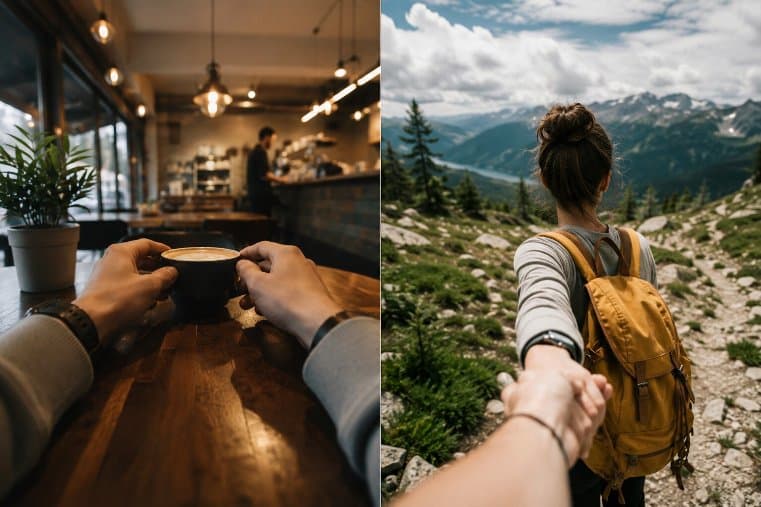
A caption usually frames the scene, such as “POV: you just got home after a twelve hour shift” or “POV: your dog finds out it’s bath day.”
This format grew out of TikTok but now appears across Instagram Reels, YouTube Shorts, and even LinkedIn video posts. It works for comedy, storytelling, product demos, and customer service moments alike.
Check This: How ASMR Triggers Work on TikTok and YouTube
Why POV Content Performs Well On Social Media
POV content performs well because it shortens the gap between the viewer and the moment on screen. Instead of watching a scene, the viewer lives it for a few seconds.
Short form video generates 2.5 times more engagement than long form content across platforms. TikTok’s average engagement rate hit 3.70% in 2025, a 49% jump year over year, and creators point to immersive formats like POV as part of that rise.
Instagram Reels also deliver 35% more engagement than standard feed posts, giving POV clips a second strong home outside TikTok.
Search interest backs this up too. Global search volume for “POV videos on TikTok” spiked again in March 2026 after a long quiet stretch, which points to renewed creator and audience interest in the format.
How To Use POV In Social Media: Step By Step
Step 1: Pick A Moment Worth Showing Through Someone’s Eyes
Choose a moment that has built in tension, surprise, or relatability. “POV: you’re the new hire on your first day” works because most people remember that feeling.
A flat moment with no emotional hook will not hold attention even in a first person frame.
Step 2: Choose Your Gear And Camera Angle
Most creators shoot POV clips on a phone held at chest or eye level, or with a small action camera mounted on the head or chest for hands free movement.
GoPro leads the action camera market with a 47% global share, followed by DJI at 20%, so both brands are common choices for creators who film POV content regularly. A phone is enough for most creators starting out.
Step 3: Write A Caption That Sets The Scene In One Line
The caption is the setup. It should tell the viewer exactly whose eyes they are seeing through and what situation they are in, all in one short sentence.
“POV: you’re the barista and it’s the Monday after a holiday” gives the viewer everything they need before the video even starts.
Step 4: Film The Entire Clip In First Person
Do not cut to a third person angle partway through. The illusion breaks the moment the viewer sees the “character” from the outside.
Keep the camera at the implied eye level of the person whose story is being told for the full clip.
Step 5: Edit For Pacing, Not Perfection
Trim dead air and keep the first three seconds tight, since that is the window most viewers use to decide whether to keep watching.
Small imperfections such as a shaky frame or ambient background noise often make POV clips feel more real, so resist the urge to smooth everything out.
Step 6: Post At The Right Time And Reply To Every Comment
Replying to comments is the single strongest engagement signal across platforms, according to an analysis of over 52 million posts.
A POV clip with a strong hook and an active reply thread underneath will outperform the same clip left without any follow up.
See More: Instagram Stories Vs Post Vs Reels
Best Platforms For POV Content
| Platform | Average Engagement Rate | Why POV Fits |
|---|---|---|
| TikTok | 3.70% | Native home of the format, algorithm favors watch time and first person hooks |
| Instagram Reels | 35% higher than standard posts | Reels distribution rewards short, story driven clips |
| YouTube Shorts | Growing steadily alongside short form video overall | Good for longer POV storylines that need 30 to 60 seconds |
| 6.50% average, highest of all platforms measured | Best for POV style day in the life content from a professional angle |
Frequently Asked Questions
Which platform is best for POV content?
TikTok remains the strongest home for POV content, with an average engagement rate of 3.70% in 2025. Instagram Reels is a close second, since Reels earn 35% more engagement than standard Instagram posts.
Do I need special equipment to film POV videos?
No. A phone held at chest or eye level covers most POV formats. Creators who film hands free or action based scenes often use a small action camera such as a GoPro or DJI model, but a phone is enough for most content ideas.
How long should a POV video be?
Most POV clips run between 15 and 45 seconds. Short form video already earns 2.5 times more engagement than long form content, so keeping the clip tight and focused on one moment tends to perform better than a longer version.
Can businesses use POV content, not just individual creators?
Yes. Brands use POV clips to show what it feels like to use a product, walk into a store, or go through a customer service moment. The same first person rules apply: keep the camera angle consistent and keep the caption short.
Why do POV videos feel more authentic than regular videos?
The first person camera angle removes the usual distance between viewer and subject. Instead of watching a scene unfold, the viewer experiences it directly, which is part of why POV content consistently earns higher engagement than standard formats.
Conclusion
POV content works because it changes who the viewer is in the story, from an outside observer to the person living the moment.
This simple change is one of the biggest reasons why POV videos often receive more engagement than traditional video formats.
Pick a moment with a real emotional hook, hold the first person angle for the whole clip, write a one line caption that sets the scene, and reply to the comments once it’s live.
Those four habits cover most of what separates a POV video that gets watched from one that gets scrolled past.